


Rotary valves for reliable bulk material handling
We configure the right rotary valve for your application – ranging from construction materials and plastics to the food industry.
- Over 100 years of experience
- Custom design
- Short delivery times
- Personal contact person
- Europe-wide delivery
ROTARY VALVES FOR BULK SOLIDS HANDLING
AND PNEUMATIC CONVEYING
Rotary valves ensure the reliable discharge, metering, and conveying of bulk materials in industrial processes. They are used wherever powdery, granular, or free-flowing products need to be discharged in a controlled manner or fed into conveying systems.
Baumgarten BSA develops and manufactures high-quality rotary valves for a wide range of applications in bulk solids handling. From standard models to custom solutions and ATEX-compliant versions, we offer reliable components for safe and cost-effective plant operation.
Safety, reliability, and quality are the top priorities at Baumgarten BSA. Our rotary valves are manufactured to high quality standards and meet the requirements of modern industrial plants.
- ISO 9001:2015 certified
- ATEX-compliant solutions
- Type-tested rotary valves
- Over 100 years of experience
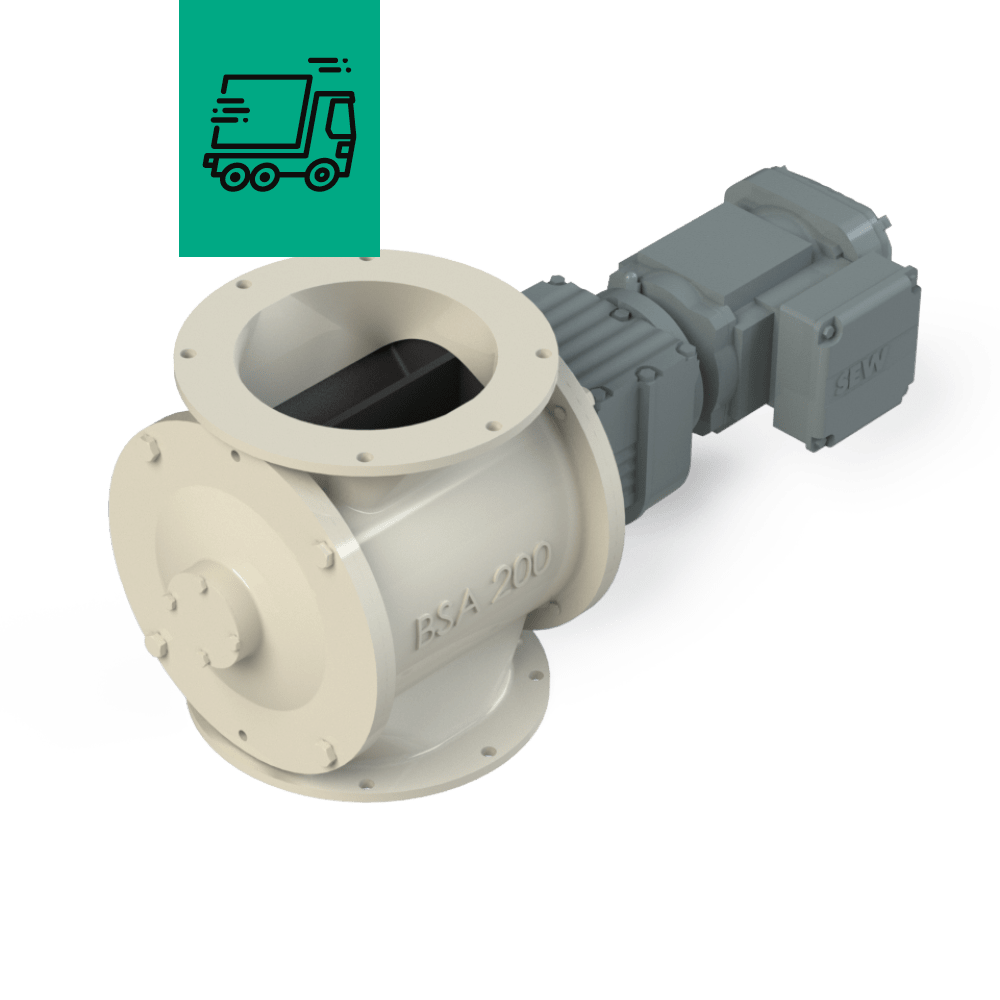
CELL LOCKS TYPE N
Special version for demanding operating conditions and customer-specific applications in bulk solids handling technology.
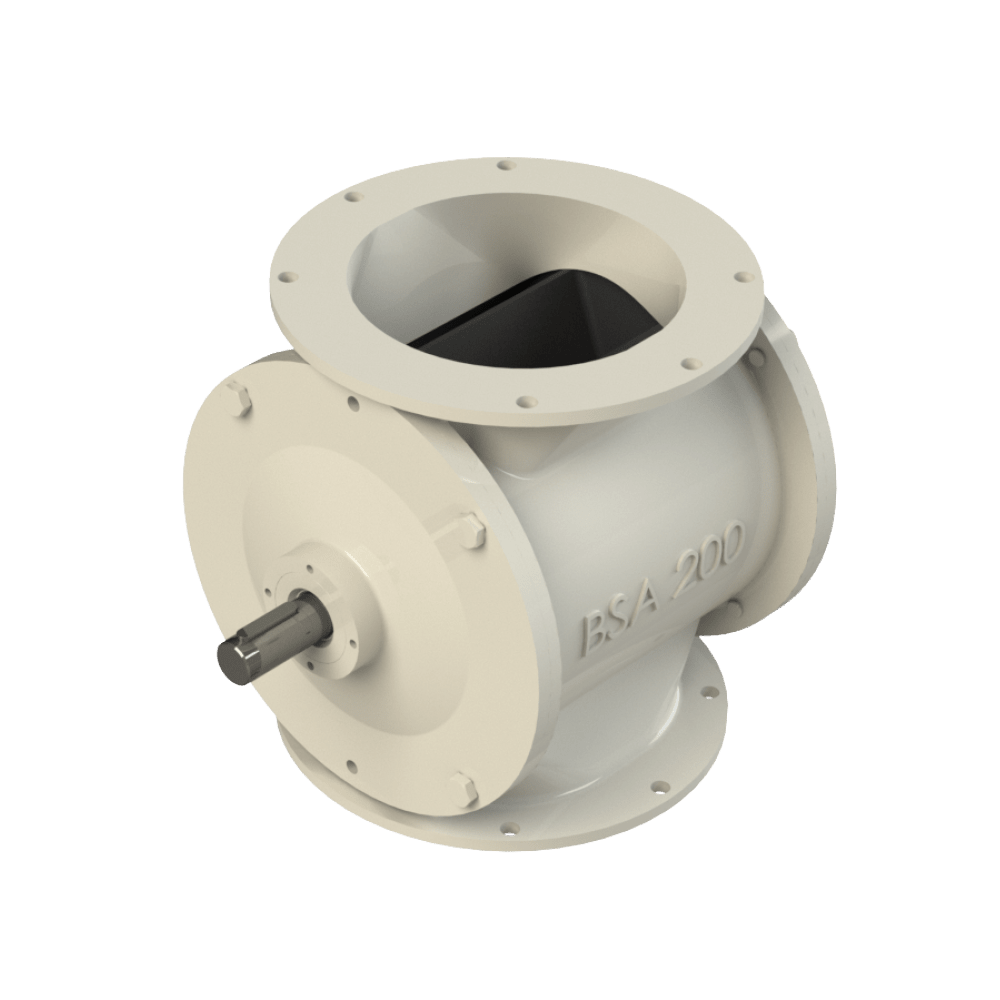
ROTARY VALVES TYPE 1WZ
Rugged design for demanding applications with high requirements for operational reliability and process stability.
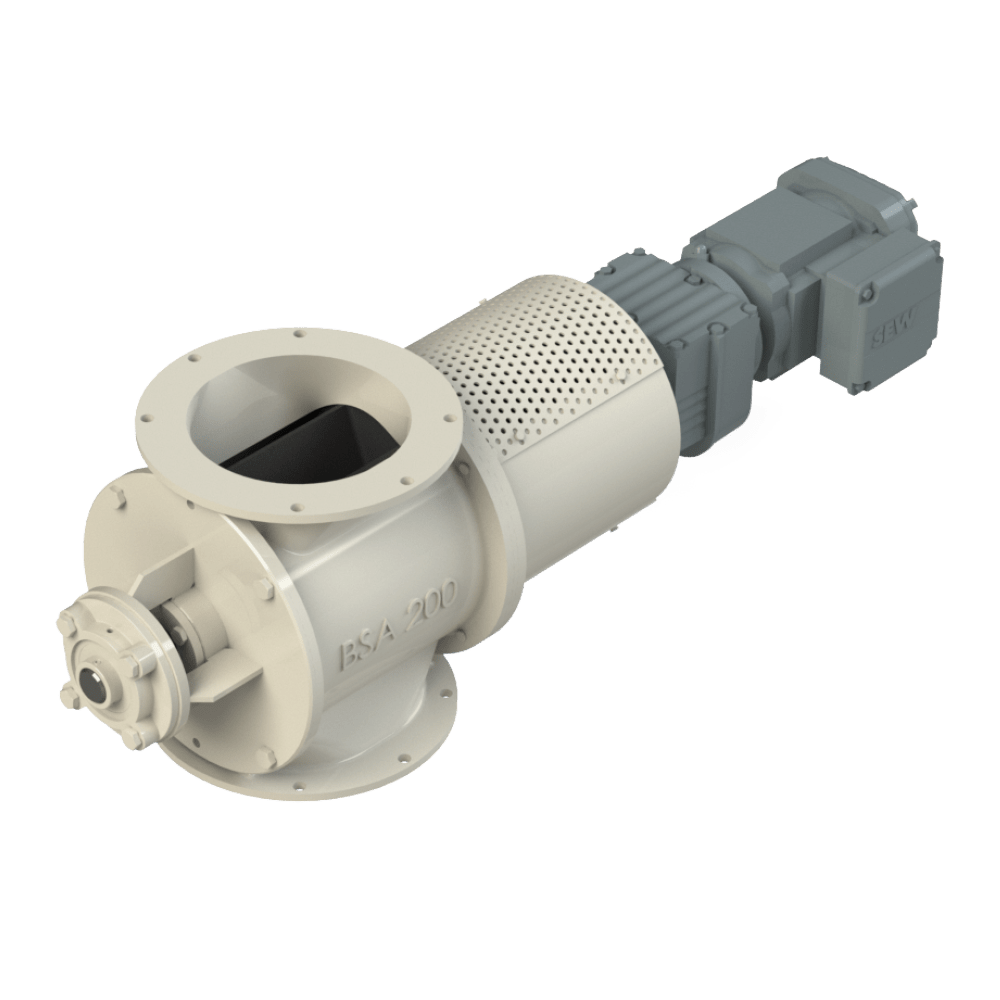
ROTARY VALVES TYP AL
Flexible solution for customized system designs and specific requirements regarding the conveyed material and leak-tightness.
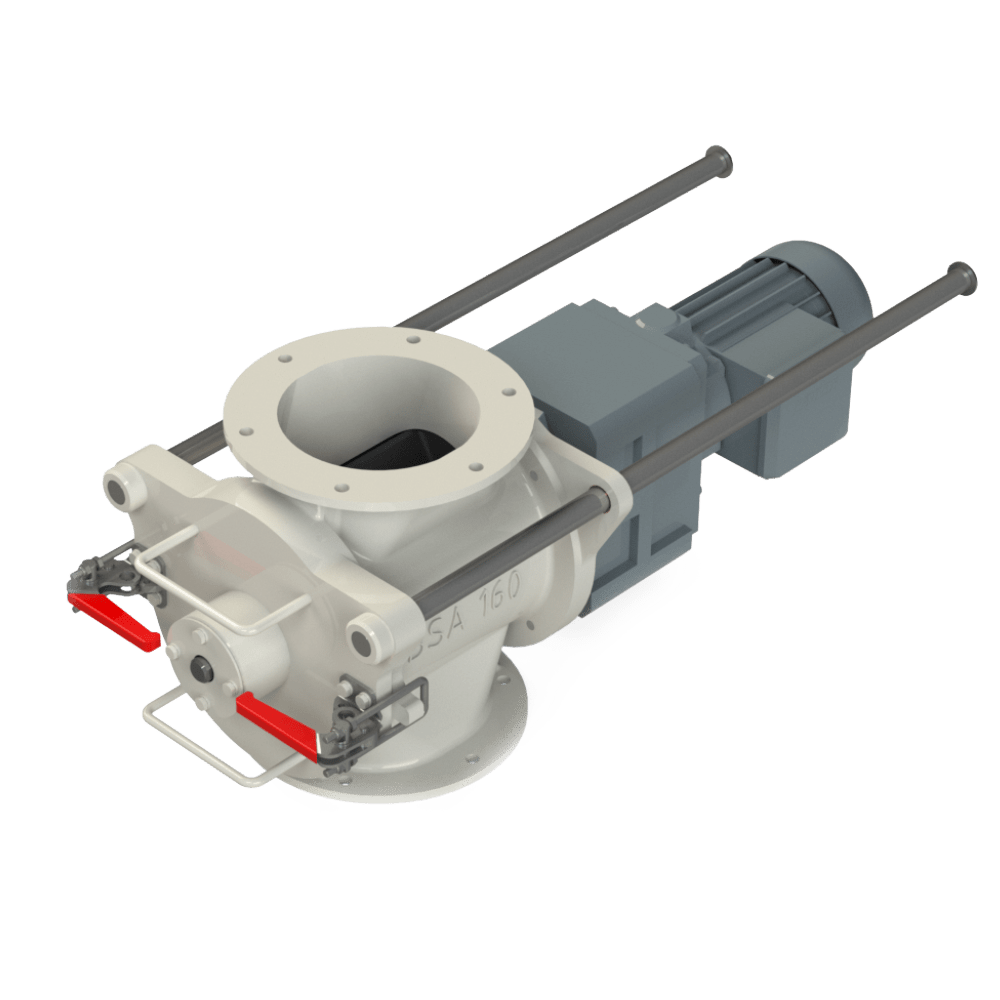
ROTARY VALVES TYP SR
Special design for specific operating conditions and custom applications in bulk material handling.
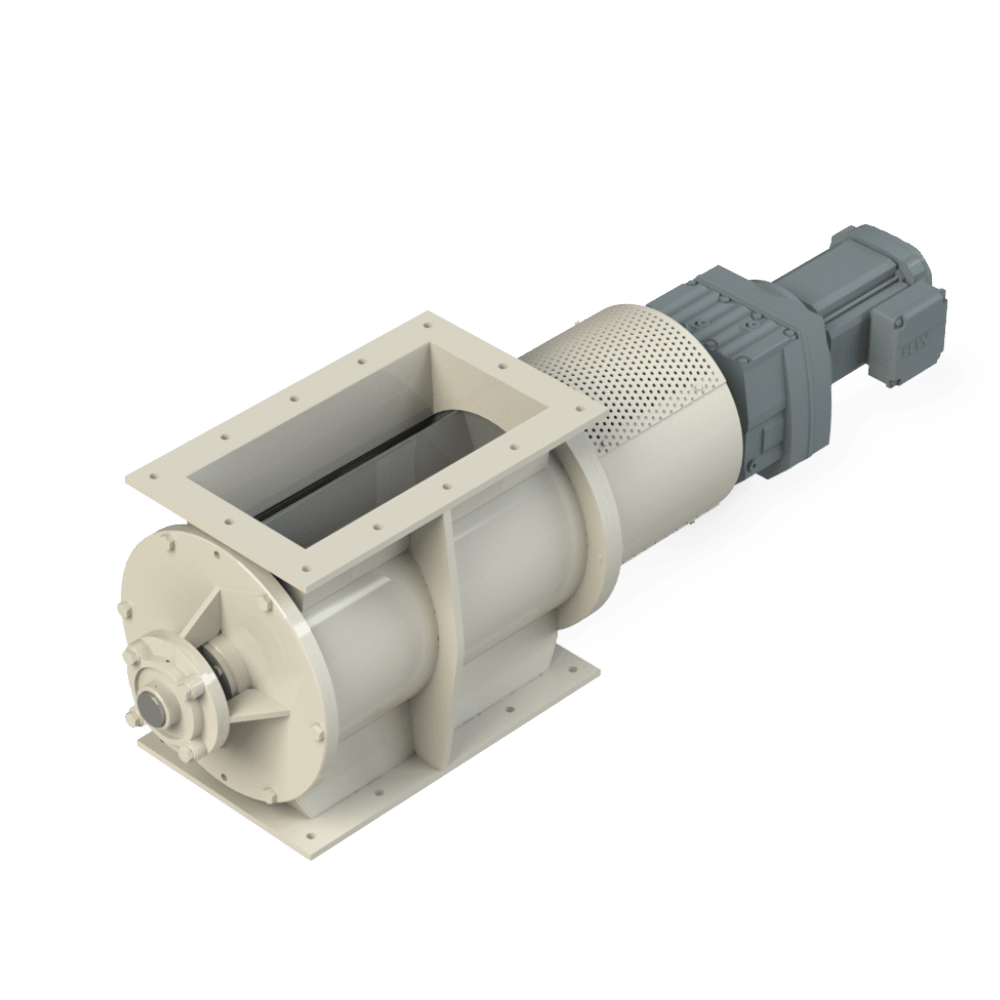
ROTARY VALVES
275 / 410 × 210
High-performance rotary valves for larger conveying volumes and industrial applications requiring high throughput.

Avoiding the most common mistakes when selecting rotary valves
The 10 most important points to consider before selecting a rotary valve
- Information required for sizing
- Which design is suitable for which bulk material
- Typical causes of wear and leakage
- Practical selection guide for design engineers and operators
APPLICATIONS FOR ROTARY VALVES
Rotary valves are used in numerous industrial sectors and conveying processes. They perform important functions in the discharge, metering, and conveying of a wide variety of bulk materials.

Silo discharge
Reliable discharge of bulk materials from silos and storage bins.

Filter discharge
Continuous discharge of dusts and bulk materials from beneath filter systems.

Pneumatic conveying
Controlled feeding of powder and granular products into conveying lines.

Dosing applications
Precise dosing of bulk materials for reproducible processes.

Food industry
Conveying and dosing of flour, sugar, starch, and other food-grade bulk materials.

Chemical industry
Reliable conveying of powders, granules, and process materials.

Plastics industry
Reliable conveying of plastic granules and recyclates.

Construction materials industry
For use in the processing of cement, lime, gypsum, and mineral bulk materials.
Express delivery of selected rotary valves
When an unplanned plant shutdown looms or a replacement is needed on short notice, every hour counts. That is why we keep selected standard models in stock for particularly rapid delivery.
Available express models
ZRS 160 N 0,37 kW
ZRS 200 N 0,37 kW
ZRS 275 N 0,55 kW
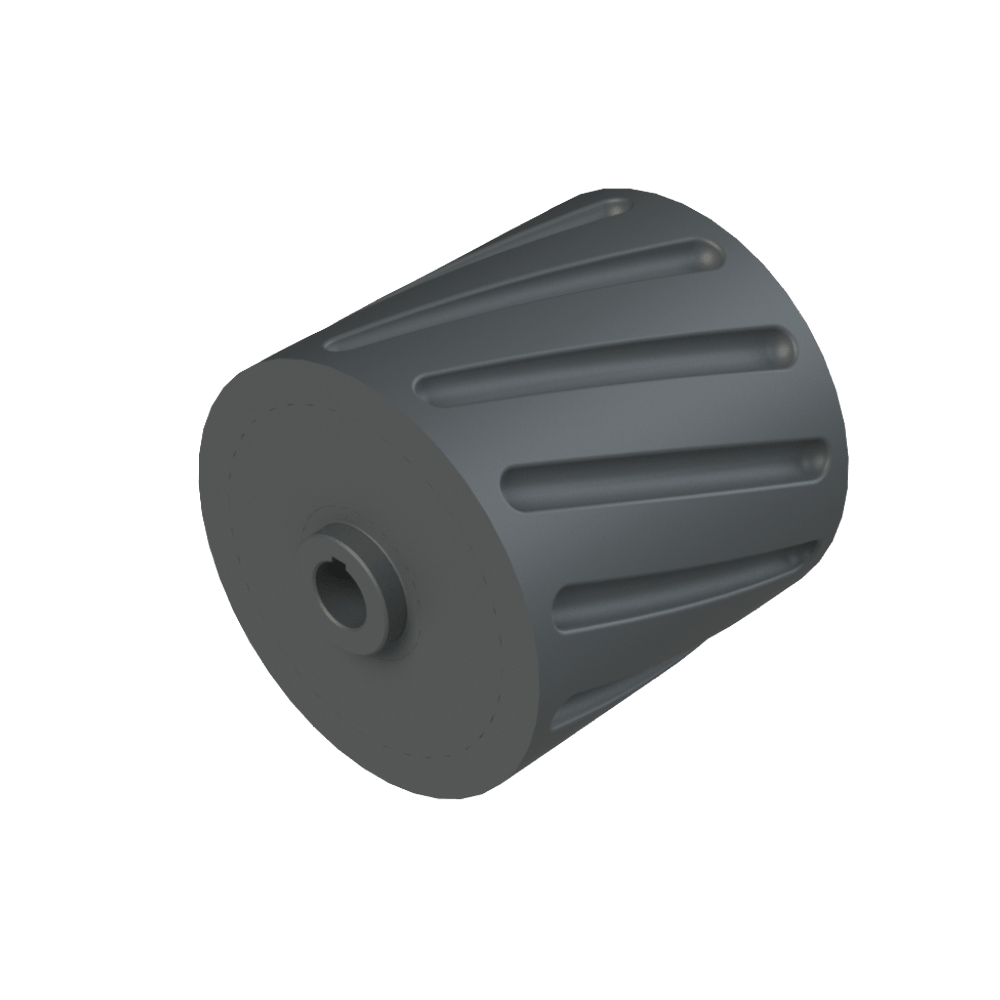
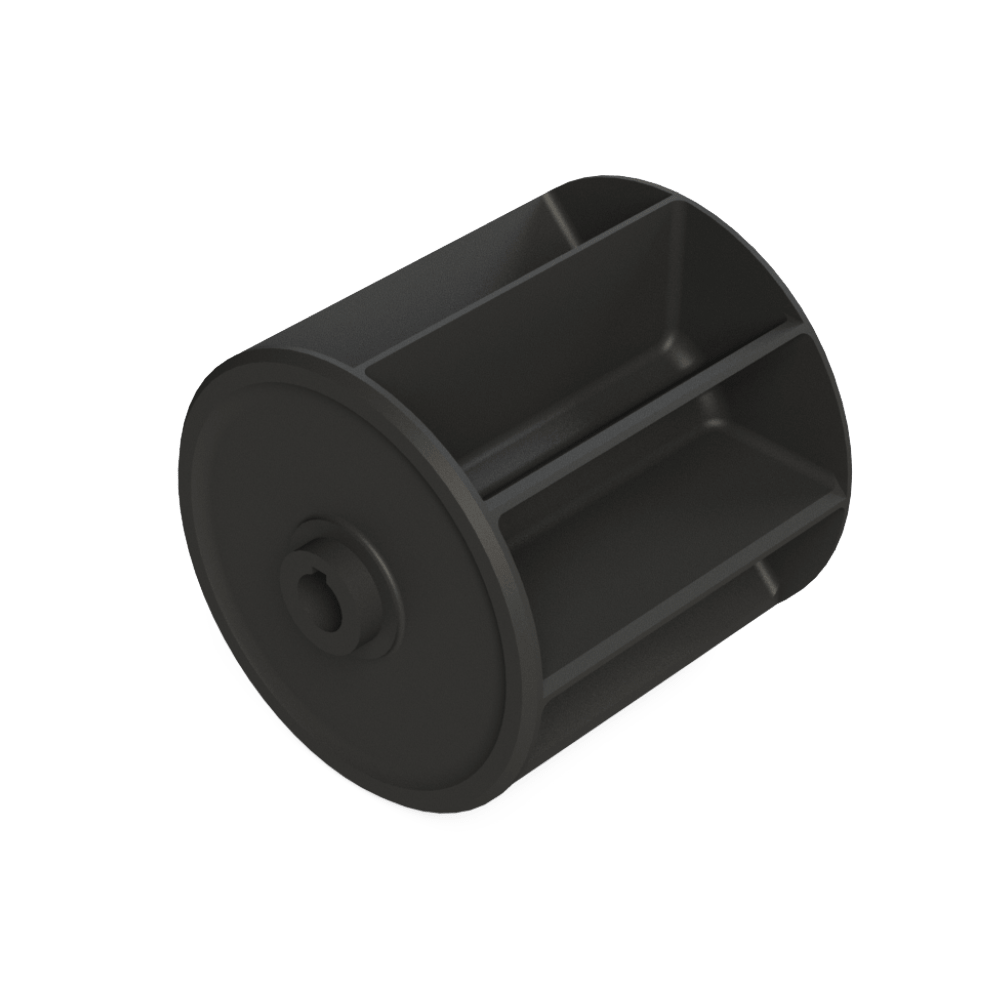
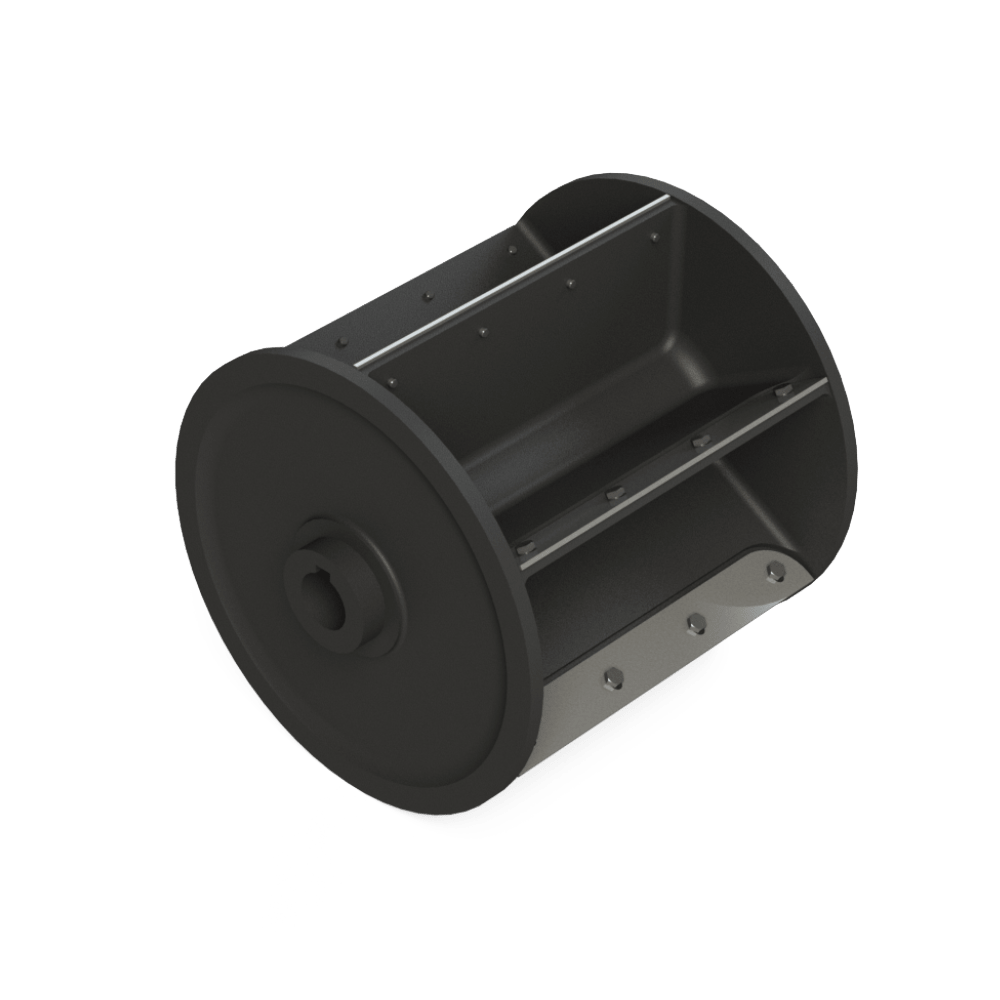
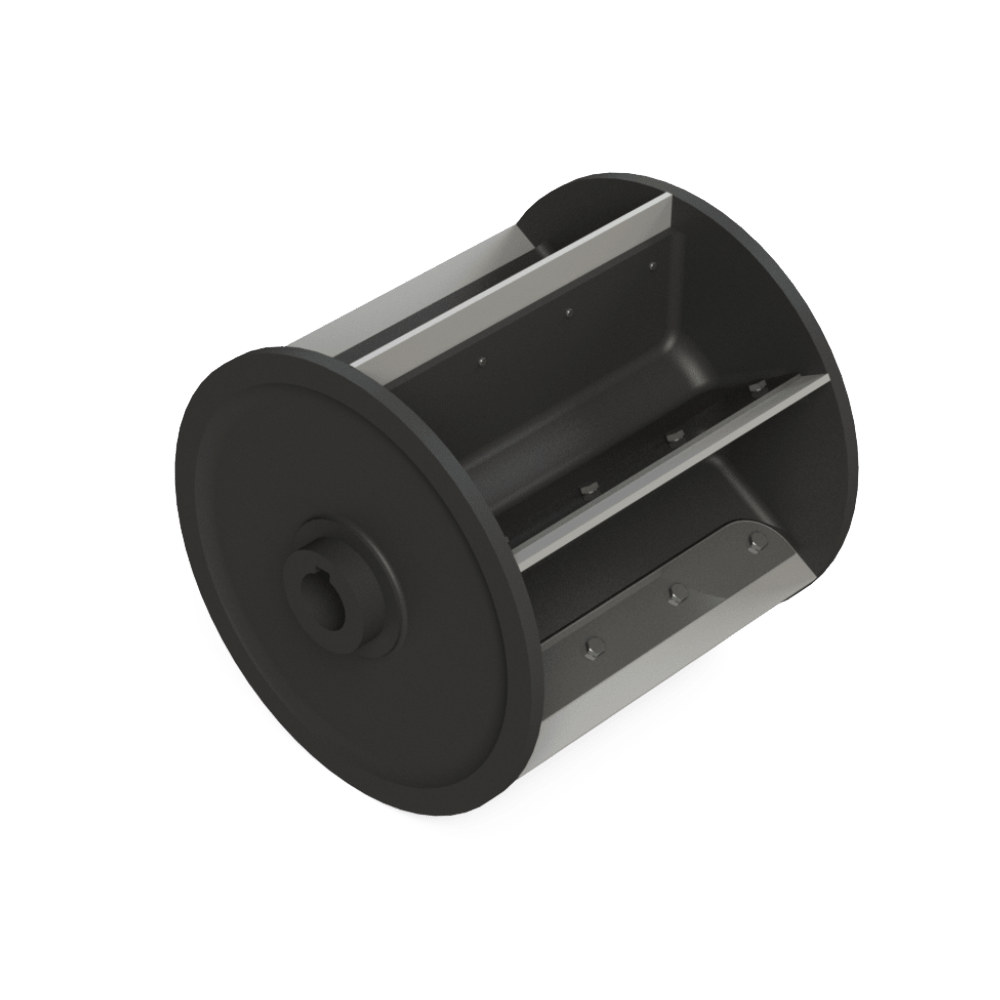
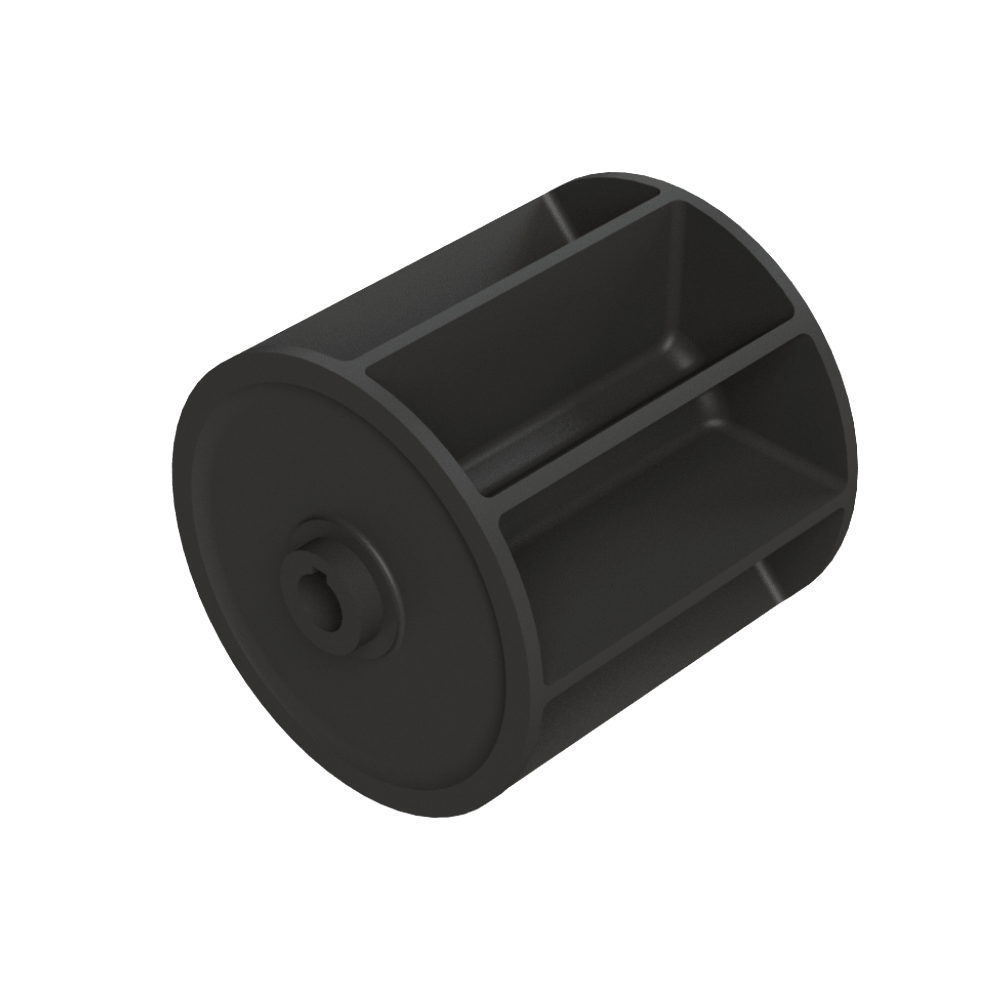
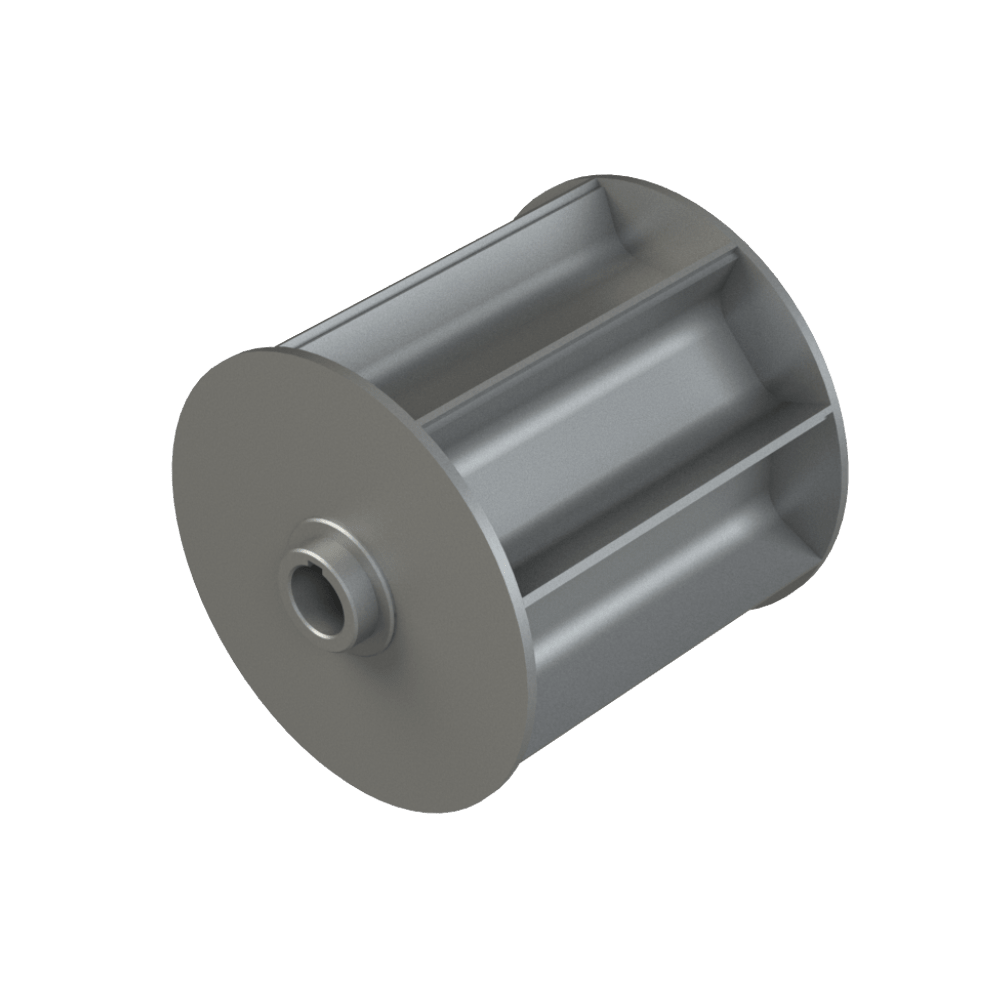
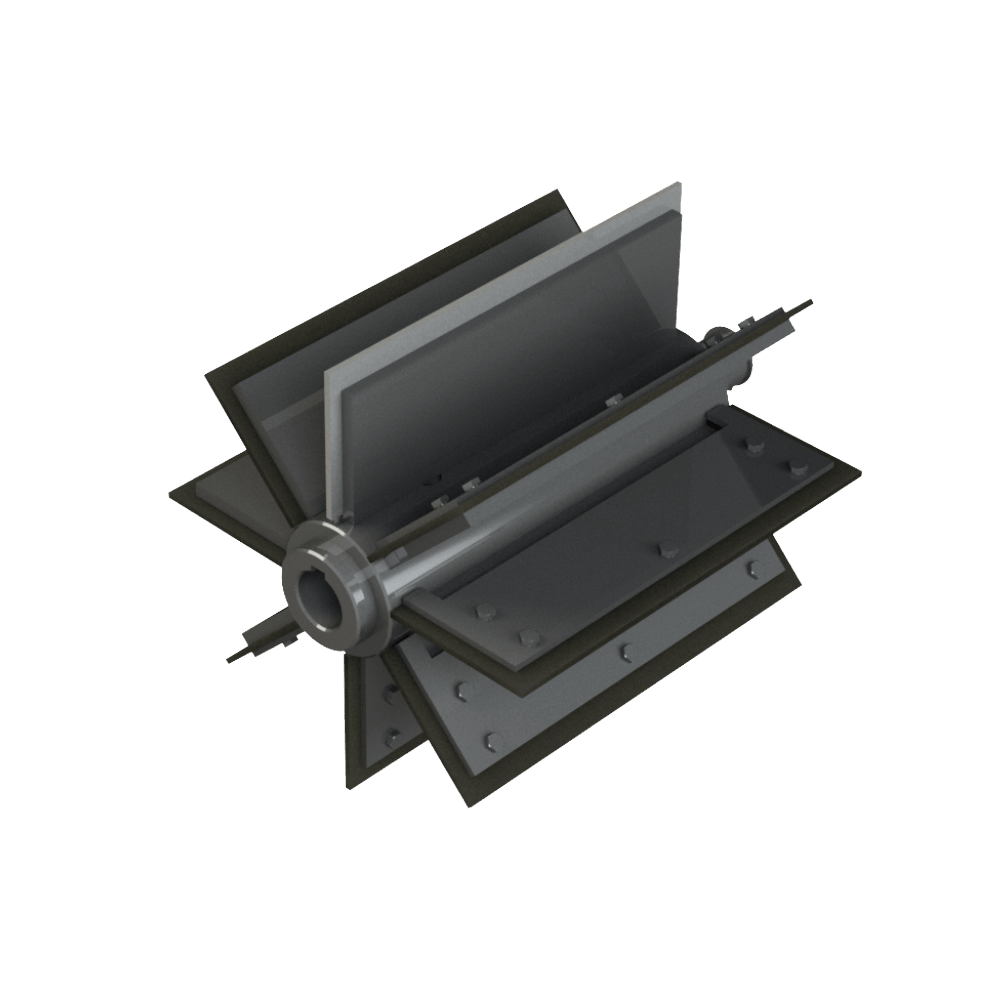
Cell wheels
To ensure optimal conveying capacity and dosing accuracy, various rotary valve designs are available to accommodate a wide range of bulk materials and process requirements.
Why Baumgarten BSA
Custom Design
Tailored to your bulk material and your application.
Personal consultation:
A direct contact person instead of a hotline.
In-house manufacturing expertise
: Customizations and special solutions are available.
Fast Availability
Selected standard models are available on short notice.
TECHNICAL SOLUTIONS FOR CUSTOM REQUIREMENTS
Not every application places the same demands on a rotary valve. The material being conveyed, temperature, abrasiveness, and explosion protection significantly influence the system’s design.
Baumgarten BSA therefore offers customized designs for a wide variety of operating conditions:
- Material temperatures up to 300 °C
- Various Materials and Surfaces
- Custom Sealing Systems
- Different Types of Rotary Valves
- Custom Solutions for Special Cargo
- Models for ATEX-certified areas
- Adaptation to Existing Systems
ATEX Rotary Valve Locks for Potentially Explosive Areas

Explosive dust atmospheres can form in many industrial sectors. These include, for example, the food industry, the chemical industry, the plastics processing industry, and the wood industry.
For these applications, Baumgarten BSA offers rotary valve locks that comply with the requirements of the ATEX Directive 2014/34/EU. Thanks to existing type examination certificates and many years of experience in explosion protection, the company provides safe and standards-compliant solutions for demanding industrial applications.
Our experts will assist you as early as the planning phase in selecting the right design for your system.
FREQUENTLY ASKED QUESTIONS ABOUT CELL WHEEL LOCKCHAMBERS
What is a rotary valve?
A rotary valve is a proven metering and discharge device for bulk materials. It is used to discharge powdered, granular, or pelletized products in a controlled manner from silos, containers, filters, or cyclones while simultaneously isolating different pressure zones from one another.
Baumgarten rotary valve locks have been used for decades in virtually all industrial sectors, ranging from the animal feed and food industries to bulk material handling and dust collection technology, and on to the chemical and plastics industries. They enable a continuous product flow while also serving as an airlock or, depending on the model, providing explosion-proof isolation.
How Does a Rotary Valve Work?
At the heart of every rotary valve is a rotor with several chambers, known as cells. The bulk material falls from above into the open chambers of the rotor. The rotational motion transports the material to the discharge side, where it is discharged in a controlled manner.
The tight clearances between the rotor and the housing ensure that air or pressure exchange between the inlet and outlet sides is minimized. As a result, rotary valve locks are particularly well-suited for use beneath filters, silos, or as feeding devices in pneumatic conveying systems.
Depending on the application, different rotor geometries, sealing systems, and materials can be used to achieve optimal pumping and sealing performance.
What types of bulk materials can be conveyed?
Baumgarten rotary valve locks are suitable for a wide variety of dry bulk materials. These include, for example:
- Flour, starch, and sugar
- Animal Feed and Grain Products
- Plastic pellets
- Wood dust and sawdust
- Lime, cement, and minerals
- Ash and filter dust
- Chemical Powders and Granules
- Coffee, cocoa, and other food products
The optimal design depends on the properties of the material being conveyed. Key factors include bulk density, particle size, abrasiveness, moisture content, flow characteristics, and temperature. Special rotors are available for sensitive, abrasive, or caking products.
When is an ATEX-compliant design required?
An ATEX-compliant design is required if explosive atmospheres caused by flammable dusts or gases can form in the facility.
Typical areas of application include:
- Animal Feed Mills
- Mills
- Woodworking
- Plastics Industry
- Chemical Industry
- Dust Collection Systems
Baumgarten holds its own ATEX type examination certificates and offers rotary valve locks ranging from simple ATEX units (intrinsically safe) to autonomous protection systems (explosion decoupling) in accordance with ATEX 2014/34/EU. Depending on the plant design, this allows for both explosion-protected conveying functions and explosion-technical decoupling.
The required design is determined by the zone classification of your plant as well as the safety concept specified by the plant manufacturer or operator.
Which rotary valve is the right one?
Choosing the right rotary valve always depends on your application. In addition to the desired throughput, numerous other factors play a role:
- Type of Bulk Material
- Bulk density
- Particle size
- Material Temperature
- Pressure Conditions
- ATEX Requirements
- Wear and tear
- Hygiene Requirements
- Installation Situation
Baumgarten offers a variety of designs, including standard models, quick-clean models, airlocks with external bearings, special ATEX models, as well as numerous rotor variants and custom solutions. Together, we will find the technically and economically optimal solution for your process.
What information do you need for the design?
Precise design is crucial for reliable and long-lasting operation. To select the right rotary valve, we need as much information as possible about your application:
- Materials to Be Conveyed and Product Characteristics
- Bulk density (kg/m³)
- Desired throughput (m³/h or t/h)
- Particle size
- Material Temperature
- Operating pressure or pressure differential
- Application (ATEX or Non-ATEX)
- Installation Configuration and Connection Dimensions
- Requirements for Wear Protection or Hygiene
- Existing conveyor systems before and after the lock
The more precise the process data is, the better we can select the appropriate size, rotor design, and configuration. This allows you to avoid typical problems such as air leaks, increased wear, or insufficient flow rates as early as the planning phase.
When replacing existing equipment, the design process is often much simpler. Often, a photo of the nameplate on the existing rotary valve is all that’s needed. Alternatively, the order number or machine number from your records can help us identify the original model. This allows us to quickly determine which version is required.
Which rotor design is suitable for my product?
The optimal rotor design depends largely on the properties of the material being conveyed and the requirements of your application.
Depending on the product, different rotor variants are used, for example:
- Standard rotor for free-flowing bulk materials
- Rotor with flexible polyurethane slats for coarser bulk materials (e.g., coarse plastic granules)
- Rotor with spring steel vanes for bulk materials prone to buildup or encrustation (e.g., cement dust)
- Stainless steel rotor with rounded chambers for material prone to caking (e.g., lime)
- Steel rotor with milled chambers for small dosing quantities (e.g., ash)
- Special versions (Teflon-coated or chemically nickel-plated) for abrasive or caking products
When making our selection, we take into account, among other factors, bulk density, particle size, flow behavior, wear characteristics, and the desired conveying and sealing properties. Based on your process data, we design the appropriate rotor geometry to ensure reliable operation.
What are the different ATEX zones?
ATEX zones describe areas where explosive atmospheres may occur.
The following zones are distinguished for combustible dusts:
- Zone 20: An explosive dust atmosphere is present continuously, frequently, or for long periods of time.
- Zone 21: Explosive dust atmospheres occasionally occur during normal operation.
- Zone 22: Explosive dust atmospheres do not normally occur, or occur only briefly.
Baumgarten rotary valve locks come standard with Zone 20 on the inside and Zone 20 on the outside.
When should the rotary valve or its seals be replaced?
The individual parts and seals of the rotary valve are subject to natural wear and should be inspected regularly.
Typical signs that replacement is needed include:
- Increased air leakage
- Declining output
- Damaged rotor blades
- Increased product leakage
- Unusual noises or vibrations
- Visible wear on seals or rotor surfaces
The actual replacement time depends heavily on the material being conveyed and the operating conditions. Highly abrasive products, in particular, can significantly accelerate wear and thus reduce the service life of the rotary valve.
Regular inspections help prevent unplanned downtime and ensure long-term operational reliability.
What materials are available?
Depending on the application and the material being conveyed, rotary valve locks can be manufactured from various materials.
The most common designs include:
- Mild steel
- Stainless steel
- Surface-Coated Components
The selection is based, among other factors, on requirements for corrosion resistance, wear protection, product hygiene, and temperature resistance.
For particularly demanding applications, we work with our customers to develop the optimal combination of materials for the housing, rotor, and sealing system.
What maintenance tasks are required on a regular basis?
Regular maintenance plays a crucial role in ensuring the operational reliability and service life of a rotary valve.
Recommended maintenance tasks include:
- Visual inspection for damage
- Inspection of Seals and Clearances
- Inspection of Bearings
- Inspection of Screw Connections
- Inspection of the Drive System
- Cleaning Product Deposits
- Noise and Vibration Monitoring
Maintenance intervals depend on operating conditions and the material being conveyed. For highly abrasive or demanding products, shorter inspection intervals may be advisable.
Can replacement parts be supplied for older Baumgarten locks?
Yes. For many older Baumgarten rotary valve locks, we can still supply replacement parts or offer suitable alternatives even after many years.
For identification purposes, we need the machine number or order number of the sluice, if possible. You can find this information on the nameplate or, on many models, as a stamped number on the top of the inlet flange.
Based on this data, we can determine which components are available and whether a technical upgrade might be advisable.
THE RIGHT CELL WHEEL LOCK FOR YOUR APPLICATION
Every system has its own specific requirements in terms of flow rate, leak-tightness, materials, and explosion protection. Our experts will help you select the optimal solution for your application.